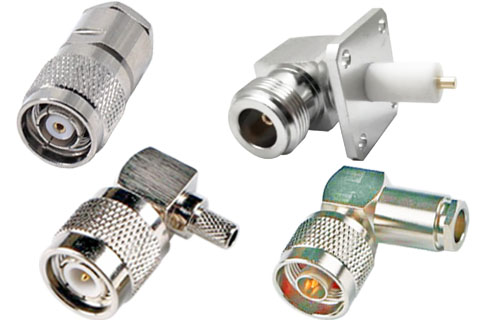
Connectors play a crucial role in ensuring reliable and efficient connections between electronic devices and cables. In the world of RF connectors, two popular options are the TNC (Threaded Neill-Concelman) connector and the N connector. While they serve similar purposes, there are distinct structural differences that set them apart. In this blog post, we will explore the features an...
In the diverse ecosystem of RF connectors, the TNC (Threaded Neill–Concelman) interface occupies a unique and essential niche. Sharing the same miniature form factor as the ubiquitous BNC connector, the TNC distinguishes itself with a threaded coupling mechanism that provides exceptional reliability in environments where vibration and mechanical stress are concerns . This ...
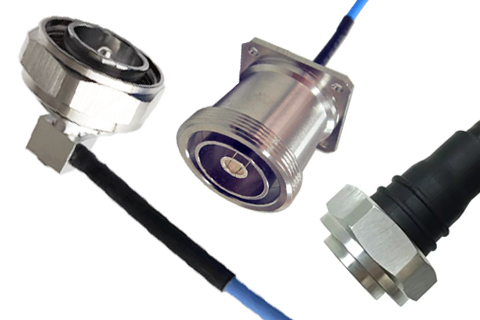
The 7/16 DIN connector stands as one of the most robust and high-performance interfaces in the RF world. Developed decades ago for demanding telecommunications applications, this connector features a large, threaded coupling mechanism that provides exceptional mechanical strength, low passive intermodulation (PIM), and reliable performance up to 6 GHz (with precision variants reachin...
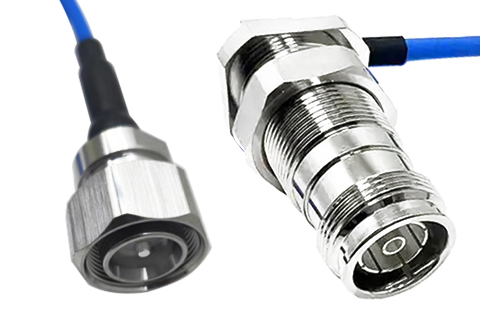
The 4.3-10 connector has rapidly become a preferred interface for modern wireless infrastructure. Standardized under IEC 61169-54, it was developed to replace the larger 7/16 DIN connector in space-constrained base stations while maintaining excellent power handling, low passive intermodulation (PIM), and reliable performance up to 6 GHz. Its compact size, threaded coupling, and weat...