NEX10 Connectors: A Guide to Compatible Coaxial Cables
Aug 04, 2025
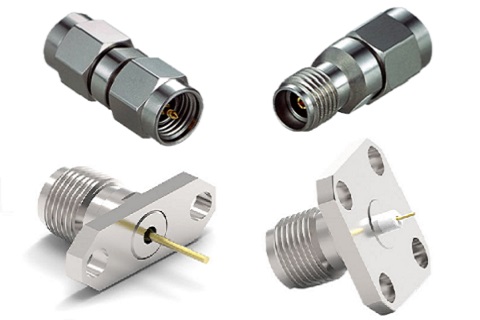
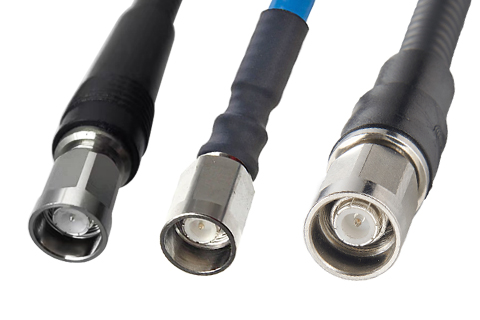
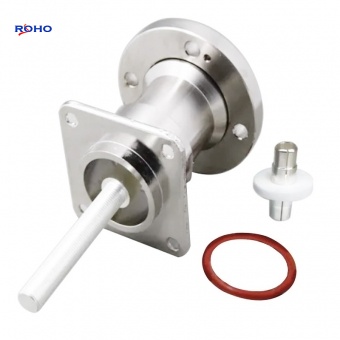
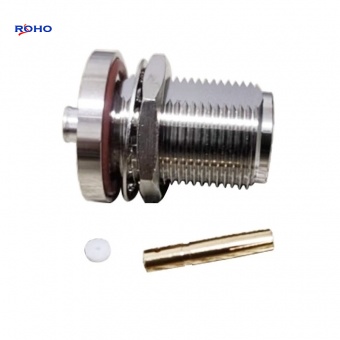
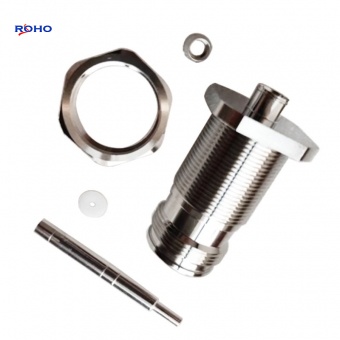
As 5G networks densify and small cell deployments accelerate, the NEX10 connector interface has emerged as a compact, high-performance solution for space-constrained RF systems. Standardized under IEC 61169-71 for 50-ohm RF coaxial connectors with a 5.0 mm inner diameter outer conductor, the NEX10 interface offers a 50% smaller footprint than the widely used 4.3-10 connector, enabling dramatically higher port density on radios, antennas, and filter outputs. A key practical question for engineers and installers is: what coaxial cables are typically terminated with NEX10 connectors? The answer depends on the application—whether it is a short jumper inside a remote radio head or a low-loss feeder connection at an antenna port. A Connector Designed for Compact, Low-PIM Applications The NEX10 interface was developed to address the evolving needs of small cell and distributed antenna systems (DAS). Its key attributes include: Frequency range: DC to 20 GHz Impedance: 50 Ω PIM performance: Better than –166 dBc (typical) Power handling: Approximately 100 W at 2 GHz (at 85°C) Flange height: 12.7 mm minimum Environmental protection: IP68 when mated Coupling options: Screw, hand-screw, and push-pull (quick lock) These characteristics make NEX10 ideal for applications requiring PIM stability in a compact size, including small cells, MIMO antennas, and in-building DAS. Commonly Used Coaxial Cables with NEX10 Connectors The NEX10 interface is optimized for a specific range of cable sizes, primarily focusing on small-diameter flexible and corrugated cables. The following cable families are most commonly paired with NEX10 connectors. 1. 1/4-Inch Superflexible Corrugated Cables The most widely used cable type with NEX10 connectors is 1/4-inch superflexible corrugated cable. This cable offers an excellent balance of low loss, flexibility, and power handling, making it ideal for jumper connections between remote radio heads (RRHs) and antennas, as well as short feeder runs. Typical 1/4-inch superflexible cables compatible with NEX10 connectors include: Cable Designation Characteristics Typical Applications SPP-250-LLPL PTFE dielectric, 76% velocity of propagation, corrugated Low-PIM jumpers, plenum installations SPF-250 Corrugated, low-PIM construction General-purpose jumpers SPO-250 Corrugated, low-PIM Outdoor-rated assemblies 1/4" Superflexible 50 Ω corrugated, flexible Tight-space installations, bulkhead connections These cables are available in standard and low-PIM versions, with PIM performance typically better than –160 dBc. Cable assemblies using these cables operate to approximately 5.8–6 GHz and achieve VSWR of 1.4:1 to 1.5:1. 2. 3/8-Inch Corrugated Cables For applications requiring slightly lower loss and higher power handli...
View details