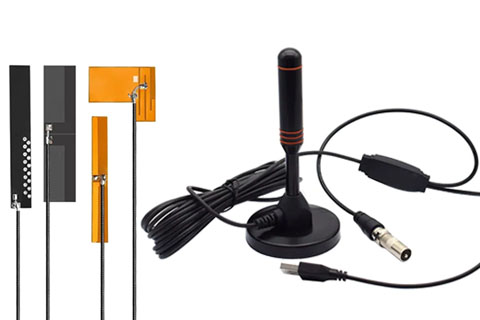
When it comes to RF antennas, a crucial aspect in their design and functionality lies in the frequency bands they are optimized to operate within. Understanding the classification of RF antennas by frequency bands can greatly impact their effectiveness in various applications. Let's delve into the different categories of RF antennas based on frequency bands: Ultra-High ...
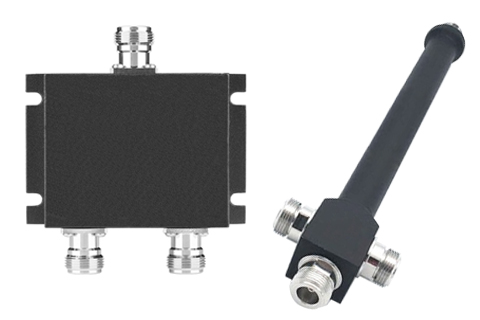
In the demanding world of RF and microwave engineering, signal distribution is a task that requires precision, reliability, and often, significant power handling. Among the many connector interfaces available, the N-Type stands out for its rugged construction, excellent electrical performance, and ability to handle higher power levels than its smaller counterparts like SMA....
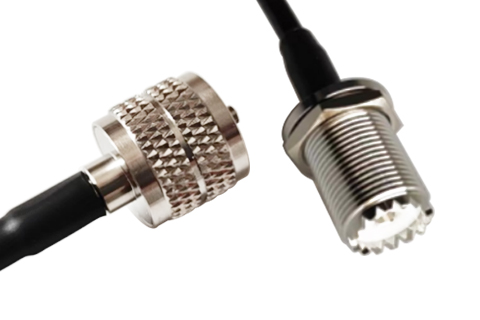
The UHF connector—known to most practitioners as the PL-259 (male) and SO-239 (female)—is one of the oldest and most recognizable RF interfaces still in everyday use. Despite the name, it is not a true UHF connector in the modern sense. It performs best below 300 MHz and becomes increasingly lossy and reflective as frequency rises. Yet its rugged threaded coupling, low co...