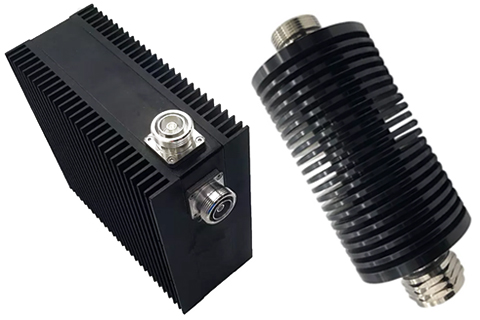
In the high-stakes world of RF engineering, the connector on your attenuator is far more than a passive interface; it's a critical decision point for power, density, and performance. When designing robust RF systems for telecommunications, broadcast, or aerospace, fixed attenuators are essential components for managing signal levels and protecting sensitive equipment. A...
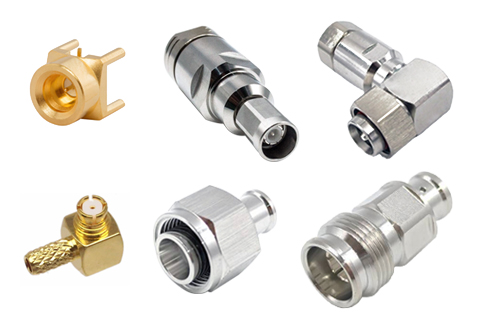
In the intricate world of radio frequency (RF) and microwave engineering, connectors are the unsung heroes that enable seamless signal transmission between components, cables, and systems. Despite their small size, RF connectors play a pivotal role in determining system performance, reliability, and longevity. Selecting the wrong connector can introduce signal loss, reflections, and ...
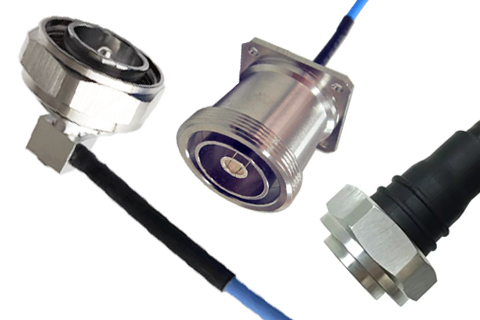
The 7/16 DIN connector stands as one of the most robust and high-performance interfaces in the RF world. Developed decades ago for demanding telecommunications applications, this connector features a large, threaded coupling mechanism that provides exceptional mechanical strength, low passive intermodulation (PIM), and reliable performance up to 6 GHz (with precision variants reachin...
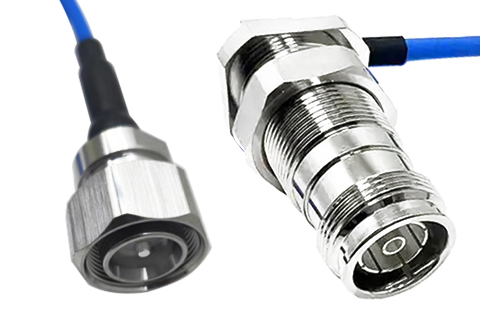
The 4.3-10 connector has rapidly become a preferred interface for modern wireless infrastructure. Standardized under IEC 61169-54, it was developed to replace the larger 7/16 DIN connector in space-constrained base stations while maintaining excellent power handling, low passive intermodulation (PIM), and reliable performance up to 6 GHz. Its compact size, threaded coupling, and weat...