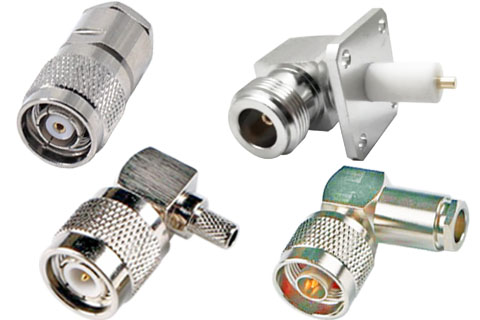
Connectors play a crucial role in ensuring reliable and efficient connections between electronic devices and cables. In the world of RF connectors, two popular options are the TNC (Threaded Neill-Concelman) connector and the N connector. While they serve similar purposes, there are distinct structural differences that set them apart. In this blog post, we will explore the features an...
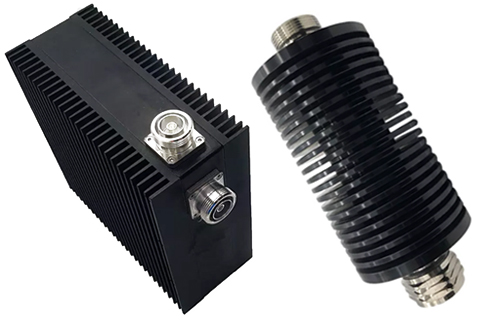
In the high-stakes world of RF engineering, the connector on your attenuator is far more than a passive interface; it's a critical decision point for power, density, and performance. When designing robust RF systems for telecommunications, broadcast, or aerospace, fixed attenuators are essential components for managing signal levels and protecting sensitive equipment. A...
In the diverse ecosystem of RF connectors, the TNC (Threaded Neill–Concelman) interface occupies a unique and essential niche. Sharing the same miniature form factor as the ubiquitous BNC connector, the TNC distinguishes itself with a threaded coupling mechanism that provides exceptional reliability in environments where vibration and mechanical stress are concerns . This ...
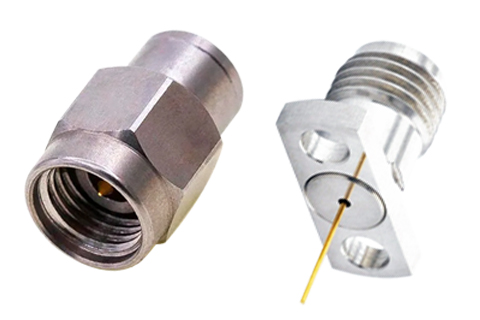
In the ever-advancing world of high-frequency electronics, the ability to accurately terminate a transmission line is just as critical as generating a clean signal. As systems push into the millimeter-wave spectrum—5G, satellite communications, automotive radar, and test instrumentation—the demands on coaxial components intensify. Enter the 2.92mm terminator, a precision ...
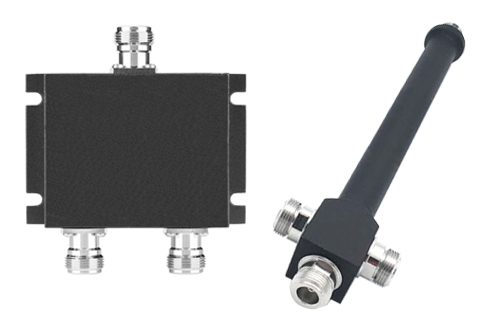
In the demanding world of RF and microwave engineering, signal distribution is a task that requires precision, reliability, and often, significant power handling. Among the many connector interfaces available, the N-Type stands out for its rugged construction, excellent electrical performance, and ability to handle higher power levels than its smaller counterparts like SMA....
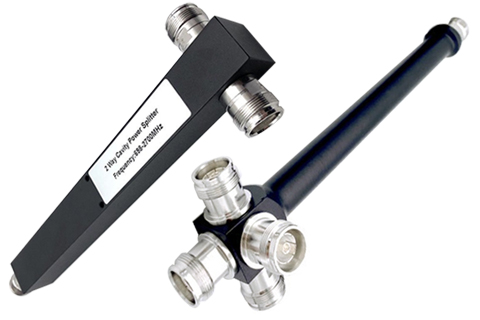
As wireless infrastructure continues to densify and evolve toward 5G-Advanced and beyond, the components that form the backbone of these networks must adapt to new demands: higher power, lower passive intermodulation (PIM), greater port density, and smaller form factors. Among the innovations meeting these challenges head-on is the 4.3-10 power splitter. This component leverages the ...
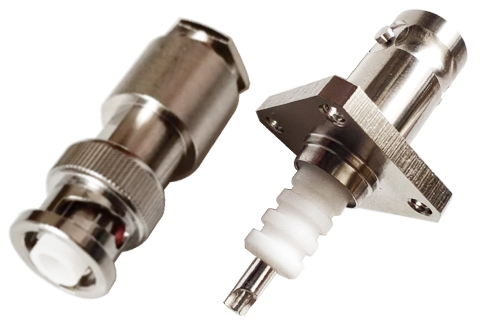
In the diverse landscape of RF coaxial connectors, the MHV (Miniature High Voltage) interface occupies a unique niche. Developed as an early high-voltage variant of the ubiquitous BNC connector, the MHV was engineered to handle significantly higher voltages while maintaining a compact, bayonet-coupled form factor. Although largely superseded by safer designs in new equipment, MHV con...
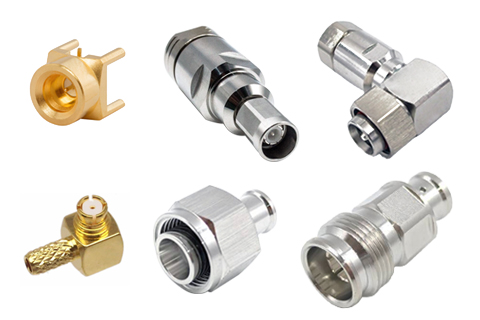
In the intricate world of radio frequency (RF) and microwave engineering, connectors are the unsung heroes that enable seamless signal transmission between components, cables, and systems. Despite their small size, RF connectors play a pivotal role in determining system performance, reliability, and longevity. Selecting the wrong connector can introduce signal loss, reflections, and ...