When it comes to RF antennas, a crucial aspect in their design and functionality lies in the frequency bands they are optimized to operate within. Understanding the classification of RF antennas by frequency bands can greatly impact their effectiveness in various applications. Let's delve into the different categories of RF antennas based on frequency bands: Ultra-High ...
Walk past any cell tower or glance at your smartphone specs, and you'll see "4G" and "LTE" plastered everywhere. It naturally leads to questions: "Do I need a special antenna for 4G vs. LTE?" "Are they fundamentally different?" The answer, much like the underlying technology, is intertwined. Let's demystify the relationship between 4G and LTE antennas. First, Clarifying...
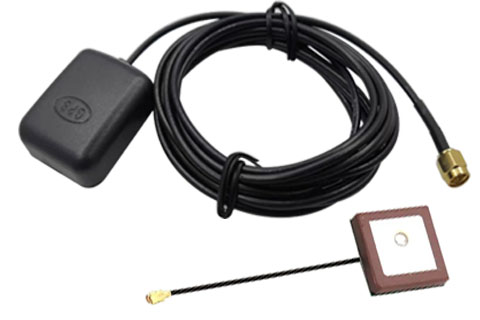
Imagine your smartphone seamlessly guiding you through a foreign city. Behind this magic lies complex antenna technology – and not all antennas are created equal. While GPS dominates the navigation conversation, Russia’s GLONASS system uses a fundamentally different approach, demanding unique antenna designs. Let’s demystify the RF engineering distinctions shaping t...
In the complex world of radio frequency (RF) design, signal integrity is paramount. Among the components that silently ensure this integrity, N-Type terminators stand out for their robustness and reliability. These passive devices play a crucial role in absorbing unwanted RF energy, preventing signal reflections that can distort measurements, damage sensitive equipment, and degrade s...
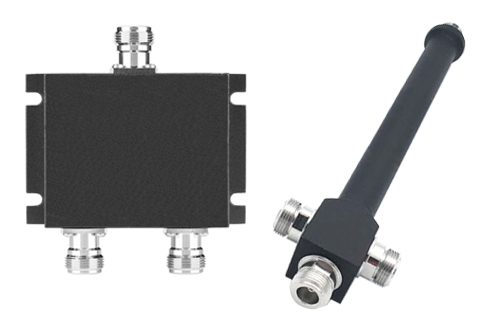
In the demanding world of RF and microwave engineering, signal distribution is a task that requires precision, reliability, and often, significant power handling. Among the many connector interfaces available, the N-Type stands out for its rugged construction, excellent electrical performance, and ability to handle higher power levels than its smaller counterparts like SMA....