In the complex world of radio frequency (RF) design, signal integrity is paramount. Among the components that silently ensure this integrity, N-Type terminators stand out for their robustness and reliability. These passive devices play a crucial role in absorbing unwanted RF energy, preventing signal reflections that can distort measurements, damage sensitive equipment, and degrade s...
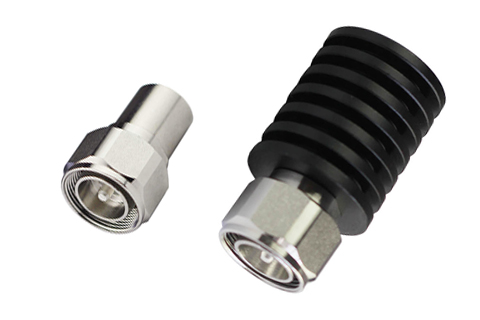
In the relentless pursuit of more powerful and compact wireless infrastructure, a key component is undergoing a quiet revolution: the RF terminator. As network operators squeeze more antennas and radios into ever-smaller spaces to support 5G and beyond, the bulky connectors of the past are giving way to more efficient designs. Leading this charge is the 4.3-10 terminator, a comp...
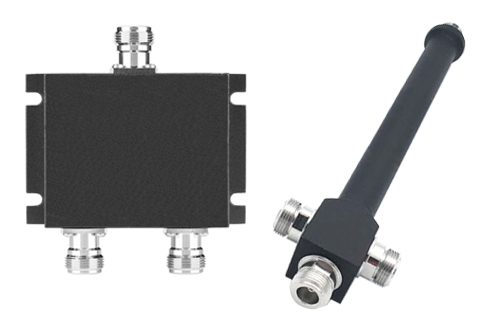
In the demanding world of RF and microwave engineering, signal distribution is a task that requires precision, reliability, and often, significant power handling. Among the many connector interfaces available, the N-Type stands out for its rugged construction, excellent electrical performance, and ability to handle higher power levels than its smaller counterparts like SMA....
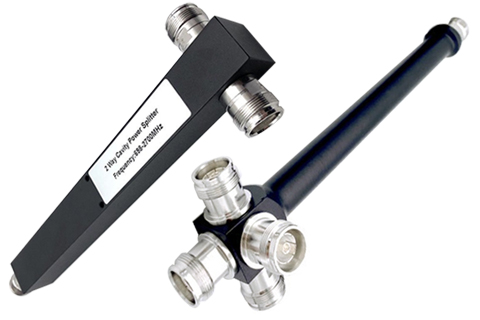
As wireless infrastructure continues to densify and evolve toward 5G-Advanced and beyond, the components that form the backbone of these networks must adapt to new demands: higher power, lower passive intermodulation (PIM), greater port density, and smaller form factors. Among the innovations meeting these challenges head-on is the 4.3-10 power splitter. This component leverages the ...
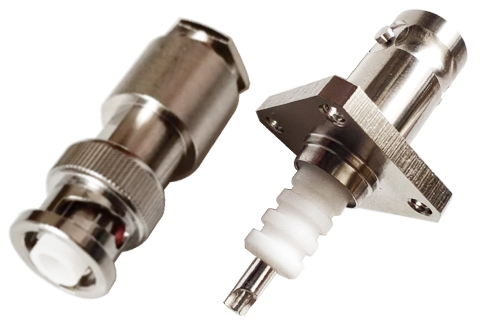
In the diverse landscape of RF coaxial connectors, the MHV (Miniature High Voltage) interface occupies a unique niche. Developed as an early high-voltage variant of the ubiquitous BNC connector, the MHV was engineered to handle significantly higher voltages while maintaining a compact, bayonet-coupled form factor. Although largely superseded by safer designs in new equipment, MHV con...
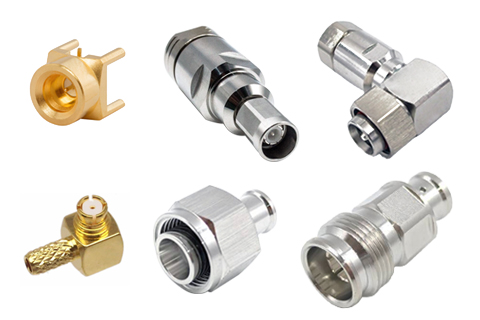
In the intricate world of radio frequency (RF) and microwave engineering, connectors are the unsung heroes that enable seamless signal transmission between components, cables, and systems. Despite their small size, RF connectors play a pivotal role in determining system performance, reliability, and longevity. Selecting the wrong connector can introduce signal loss, reflections, and ...
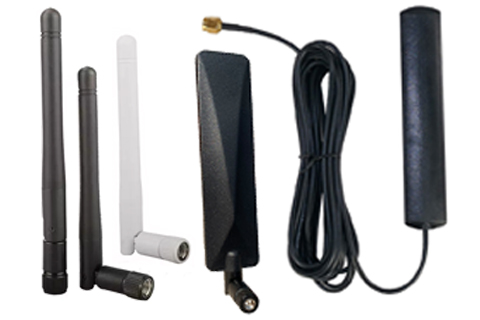
In the vast ecosystem of radio frequency (RF) systems, no component is more fundamental—or more varied—than the antenna. While amplifiers boost signals, filters select frequencies, and cables guide them, it is the antenna that performs the essential transformation: converting guided electromagnetic waves traveling along a transmission line into free-space waves that radia...